No-Lay Matched Betting: Extra-Place Value (UK 2026)
No-lay matched betting takes the +EV edge from extra-place offers without hedging at an exchange. Higher variance, higher EV - advanced, and not risk-free.
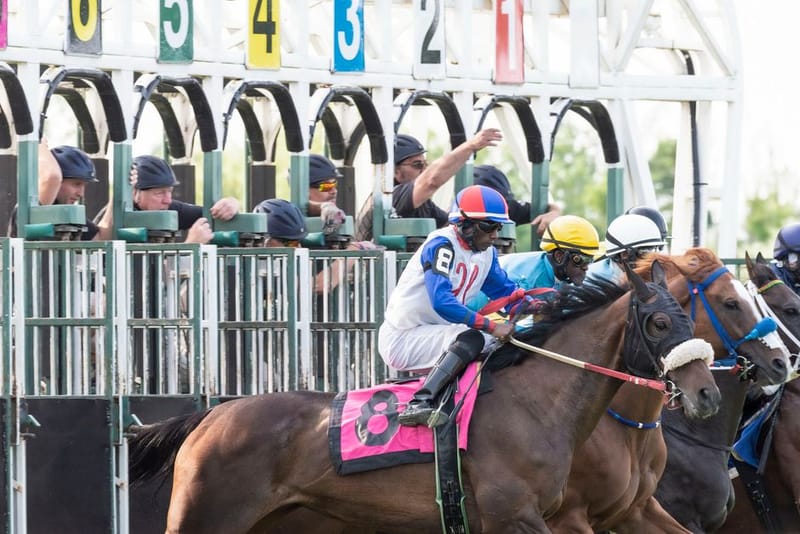
What is no-lay matched betting?
Standard matched betting hedges every bet: you back at the bookmaker and lay the same outcome at an exchange, so the result of the event barely matters and the profit is close to locked in. No-lay betting deliberately skips the lay side.
Instead, you place each-way bets at bookmakers offering extra places - paying out on, say, the first five finishers when the standard each-way terms would pay three or four - and simply let them run. You are no longer hedged, so any single bet can win or lose outright. What makes it work is that the extra place is priced in your favour: over a large enough sample, the edge shows up as profit.
Why do extra-place offers create an edge?
No-lay vs laying off: the trade-off
- Hedged (lay-off) matched betting: low variance, a near-certain small profit per offer, a smaller bankroll, and beginner-friendly. You give up part of the edge to the exchange and pay exchange commission.
- No-lay betting: keeps more of the expected value, needs no exchange or commission, but carries high variance - you need a large bankroll, discipline, and the ability to sit through drawdowns. Suited to experienced bettors only.
Neither is 'better' in the abstract. Hedging is the right default for almost everyone. No-lay only makes sense once you understand expected value, have a bankroll that can absorb swings, and accept that individual results are out of your control.
What does the variance really look like?
Theory is one thing; here is real data. Our founder tracked 3,500 no-lay extra-place bets: the cumulative return reached £15,657 against a modelled expected value of £8,457. That sounds like a clean upward line, but it was not. Early on the running total sat around £2,000 in the red before the edge began to compound, and there were repeated drawdowns along the way.
The gap between the actual return and the expected value is positive variance - good luck on top of a real edge, and it could just as easily have run below the line. You can see the full chart on our About page.
Who is no-lay betting for?
No-lay betting is for experienced bettors who:
- Understand expected value and variance, and judge decisions by process rather than short-term results.
- Have a bankroll large enough that a string of losses will not hurt financially or emotionally.
- Can stay disciplined through drawdowns without chasing or changing stakes on tilt.
- Have already worked through the beginner sign-up offers and hedged each-way strategy.
If you are new, start with hedged matched betting. The whole point of laying off is that it removes the variance you are deliberately taking on here.
How to approach no-lay betting
Learn the hedged version first
Master extra-place each-way matched betting with a lay so you understand where the edge comes from before you remove the safety net.
Find genuine extra-place races
Look for races where a bookmaker pays more places than the each-way terms justify. Bigger fields with more extra places give a larger edge.
Stake small and flat
Use a small, consistent percentage of your bankroll per bet. Variance is high, so no single bet should be able to dent you.
Track every bet against EV
Record stake, odds and result, and compare your running total to the expected value. Judge yourself on EV captured, not on any single day.
Expect drawdowns and hold your nerve
Losing runs are normal and prove nothing is wrong. The edge only shows up over hundreds or thousands of bets.